



In the rapidly expanding digital world, online platforms face constant challenges in maintaining the integrity of their user base. Fake registrations, spam accounts, and fraudulent profiles have become major concerns for social media networks, e-commerce websites, online forums, and other digital services. These illegitimate accounts can lead to security breaches, fraudulent transactions, skewed analytics, and a diminished user experience. One of the most effective tools for combating this issue is the use of a verification number. Verification numbers serve as a critical security measure to ensure that registrations are legitimate, creating a safer and more trustworthy online environment.
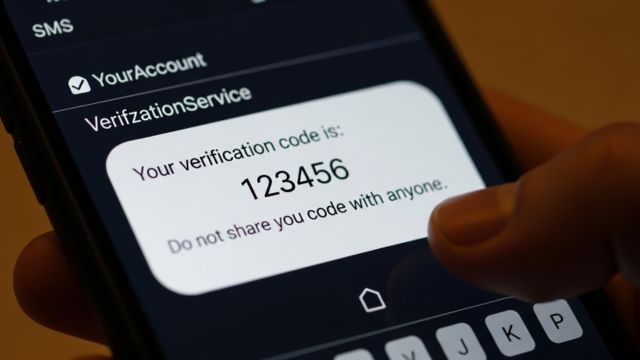
A verification number is a unique code sent to a user’s phone number, email, or app during the registration process. Its primary purpose is to confirm the identity of the person attempting to create an account. By requiring a verification number, platforms can verify that the individual has access to a legitimate communication channel. This step effectively filters out fake registrations, as automated bots or fraudulent users typically cannot access the unique codes sent to real phone numbers or email addresses. Verification numbers, therefore, act as a gatekeeper, ensuring that only genuine users complete the registration process.
The prevalence of fake registrations poses significant challenges for online platforms. Bots can flood a website with multiple fake accounts, which can be used for spamming, phishing, or manipulating user engagement metrics. Fraudsters may also create fake profiles to carry out financial scams or identity theft. Verification numbers mitigate these risks by introducing a layer of validation that is difficult for bots or unauthorized users to bypass. Unlike static passwords or email confirmations alone, a time-sensitive verification number requires immediate action from the user, making automated attacks far less effective.
In addition to security, verification numbers help maintain the quality of the user database. Accurate and authentic user information is crucial for online platforms to provide meaningful services, personalized experiences, and targeted marketing. When users are required to input a verification number, the likelihood of fake profiles decreases, which in turn ensures that data collected from users reflects real engagement. This is especially important for businesses that rely on user analytics for decision-making, as fake registrations can distort insights and lead to misinformed strategies.
Verification numbers also enhance user trust and credibility. When legitimate users see that a platform implements verification measures, they are more likely to perceive it as secure and reliable. This trust encourages user engagement and long-term loyalty. Conversely, platforms plagued by fake registrations can suffer from a poor reputation, causing users to hesitate before signing up or making transactions. By using verification numbers, companies demonstrate a proactive approach to user safety, building confidence in their services and protecting the integrity of their online community.
The process of using a verification number to prevent fake registrations is straightforward yet effective. When a user signs up, the platform generates a unique verification number and sends it to the user via SMS, email, or an authentication app. The user must then enter this number on the registration page to complete the sign-up process. This simple step creates a barrier that automated bots cannot easily overcome, as they lack access to legitimate communication channels. The temporary nature of verification numbers adds an additional layer of security, as codes expire after a short period, reducing the window for potential misuse.
Verification numbers are particularly effective against bulk account creation, a common tactic employed by malicious actors. Bots can rapidly generate hundreds or thousands of accounts using fake email addresses, but the requirement for a unique verification number for each registration drastically slows this process. The time-sensitive nature of verification numbers combined with the need for a valid communication channel ensures that only human users can efficiently complete registration. This protects platforms from being overwhelmed by fake accounts and maintains a healthy user ecosystem.
Beyond preventing fake registrations, verification numbers can also serve as a foundation for other security measures, such as two-factor authentication and account recovery. By linking the registration process to a verified communication channel, platforms establish a secure method to authenticate users for future actions, including logging in from new devices or resetting passwords. This continuity strengthens overall platform security while ensuring that every account starts with verified legitimacy.
While verification numbers are highly effective, users and platforms must implement best practices to maximize their benefits. Users should ensure that the phone numbers or emails they provide are secure and regularly monitored. Platforms, on the other hand, should use robust systems to deliver verification numbers efficiently and prevent interception by malicious actors. Educating users about the importance of verification numbers and encouraging them to complete the process promptly further enhances security. When properly executed, verification numbers create a reliable barrier against fake registrations and unauthorized account creation.
In conclusion, verification numbers play a crucial role in preventing fake registrations and maintaining the integrity of online platforms. They provide a simple yet powerful method to verify the authenticity of new users, reduce fraudulent activities, and protect valuable user data. By requiring a unique, time-sensitive code during the registration process, platforms can effectively filter out automated bots and malicious actors, ensuring that only genuine users gain access. Verification numbers not only enhance security but also improve user trust, database quality, and overall platform credibility.
As digital platforms continue to grow and attract more users, the role of verification numbers in preventing fake registrations will remain essential. They offer an elegant solution that combines convenience with security, protecting both users and businesses from the risks associated with illegitimate accounts. By integrating verification numbers into the registration process, online platforms can foster safer, more reliable, and trustworthy digital communities.