

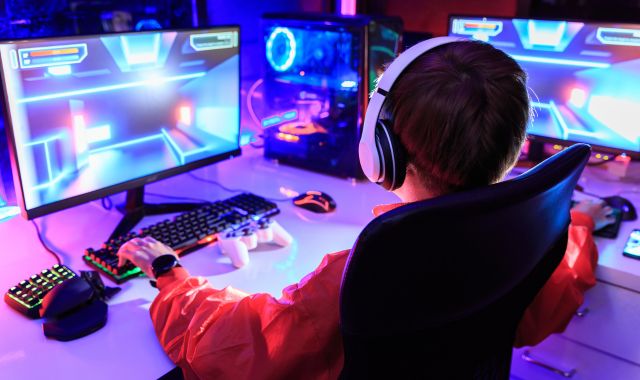


The world of competitive gaming has grown rapidly over the past decade, with esports now attracting millions of viewers worldwide. One of the key reasons for this growth is the adoption of traditional sports broadcast techniques. By emulating the styles, pacing, and presentation of live sports, gaming events have become more engaging, professional, and accessible to a wider audience. This trend has significantly influenced 스포츠중계, bridging the gap between gaming and traditional sports broadcasting.
Broadcast Presentation and Camera Angles
Gaming events increasingly use multi-camera setups similar to those in live sports. These camera angles capture different perspectives of the action, including player reactions, strategic in-game movements, and audience responses. By switching between various angles, broadcast directors create dynamic and cinematic coverage that mirrors traditional sports events.
In esports, this approach allows viewers to follow key players, observe team strategies, and experience high-intensity moments in real time. The influence of 스포츠중계 is clear here, as the visual storytelling techniques used in traditional sports help transform gaming competitions into immersive, spectator-friendly experiences.
Commentary and Analyst Integration
Commentary plays a crucial role in both sports and gaming broadcasts. Gaming events now feature professional commentators, often called casters, who provide play-by-play narration, insights, and analysis. Analysts break down strategies, highlight critical decisions, and offer context that enhances viewer understanding.
This integration of commentary and expert analysis makes esports more approachable for casual viewers while deepening the engagement for dedicated fans. By mirroring the structure of traditional sports broadcasts, gaming events can maintain high production standards and ensure that spectators stay invested throughout the match. In 스포츠중계, such techniques make virtual competitions feel just as thrilling as live sports.
Pre-Game and Half-Time Shows
Much like traditional sports, major gaming events now include pre-game shows, halftime segments, and post-match analysis. Pre-game coverage introduces teams, discusses strategies, and previews potential matchups, creating anticipation and excitement. Mid-match breaks offer highlights, statistics, and commentary, keeping viewers informed and engaged even during downtime.
These segments enhance the professional feel of esports events and contribute to a polished broadcasting experience. By adopting these familiar structures, gaming events attract viewers who are accustomed to traditional sports coverage while also creating a sense of legitimacy and spectacle.
Replay and Highlight Systems
Replays and highlights are essential in modern gaming broadcasts, just as they are in sports. Slow-motion replays, instant highlights, and tactical breakdowns allow viewers to revisit key moments and understand the flow of the game.
Advanced replay systems also enable the analysis of individual player movements, decision-making, and team coordination. This not only educates the audience but also adds drama and excitement, making the viewing experience more engaging. In 스포츠중계, replays function as a vital storytelling tool, emphasizing turning points and climactic moments.
Interactive Features and Viewer Engagement
While traditional sports broadcasts often rely on passive viewing, gaming events take advantage of interactive features to boost engagement. Live polls, chat rooms, and real-time statistics allow viewers to participate actively during matches.
By combining interactive tools with broadcast styles borrowed from traditional sports, esports creates a hybrid experience that caters to both passive and active audiences. This blend of engagement and professional presentation has made esports streams more appealing to a global audience and has further elevated the influence of 스포츠중계 in the gaming world.
Production Quality and Technological Integration
Modern gaming broadcasts use cutting-edge technology to match the quality of traditional sports events. High-definition cameras, advanced graphics overlays, real-time analytics, and virtual sets contribute to a professional and polished presentation.
These technological enhancements enable broadcasters to replicate the excitement and clarity of live sports, making gaming competitions visually impressive and easy to follow. By adopting the production standards of traditional sports, esports has set a new benchmark for digital broadcasting and spectator engagement.
Conclusion
Gaming events have embraced traditional sports broadcast styles to enhance viewer experience, build excitement, and increase accessibility. Multi-camera setups, professional commentary, pre-game and halftime shows, replay systems, and interactive features all contribute to a more immersive and polished broadcast.
The influence of 스포츠중계 is evident in how esports events are structured and presented, demonstrating the crossover between digital competitions and live sports entertainment. By adopting these techniques, gaming events provide a professional and engaging viewing experience, attracting both hardcore gamers and casual spectators alike.
As technology and audience expectations continue to evolve, the convergence of gaming and traditional sports broadcasting will likely deepen, creating increasingly sophisticated and interactive digital sports experiences.